This page presents the computing, imaging, experimental, and field equipment in our laboratory, as well as the facilities we access through partner laboratories. Our infrastructure is designed to support our work from data collection to model training.
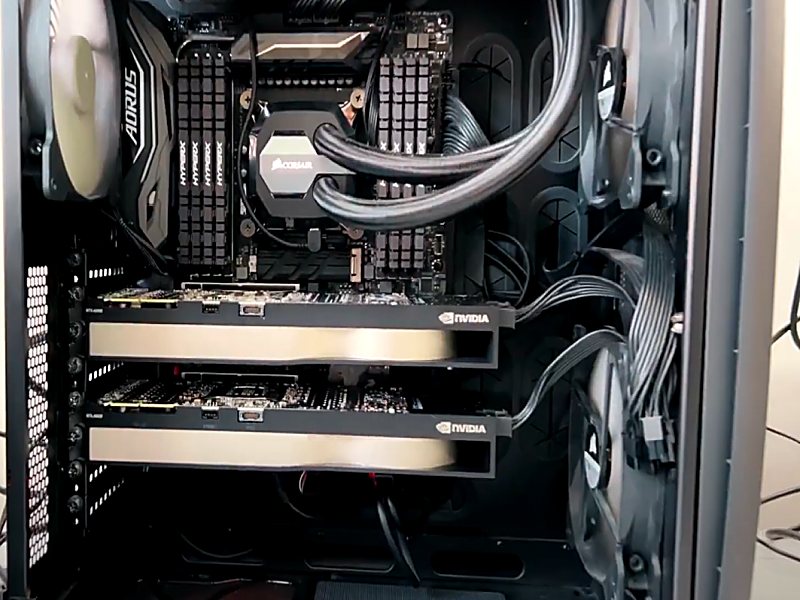
Deep learning models are trained on several GPU servers of different capacities in our laboratory. Models that work with different types of data, such as images, audio, spectra, and sensor data, are developed on this infrastructure. Some of the servers are reserved for model development and experimentation by the laboratory's students. Our computing infrastructure was built through research projects and is used primarily for the needs of the projects carried out in our laboratory.
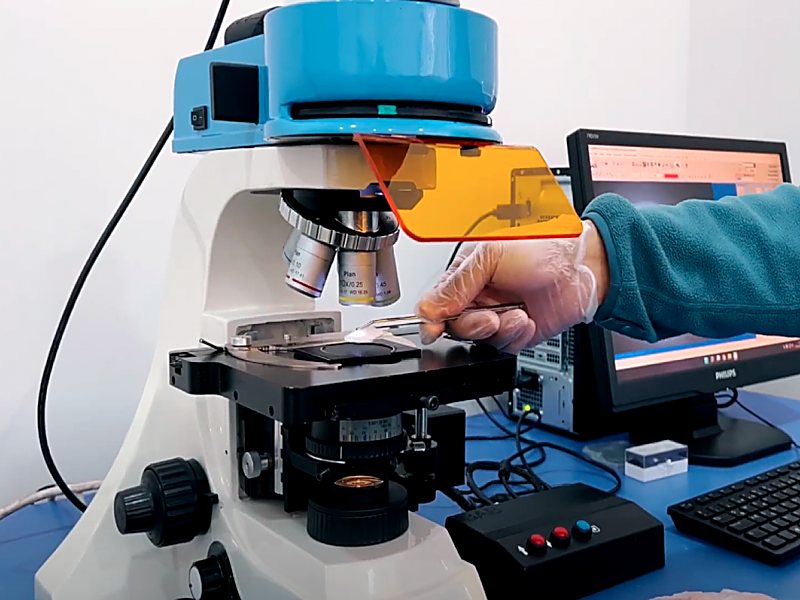
This trinocular research microscope with a fluorescence attachment is used to image microplastic and plastic samples under different illumination conditions and with fluorescence filters. A motorized Z-axis allows precise and repeatable adjustment of the focal plane. Images captured with the cooled microscope camera are labeled and turned into datasets for tasks such as plastic type classification and object detection.
| Model | BAB-TAM trinocular research microscope with fluorescence attachment |
|---|---|
| Objectives | Plan 4×, 10×, 20×, 40×, 60×, 100× |
| Fluorescence filters | B, G, UV, TRITC |
| Additional illumination | Top illumination attachment |
| Z-axis | Motorized (stepper motor, driver, and control board) |
| Camera | BAB TCC-6C, 6 MP, 1-inch cooled CCD, USB 3.0 |
| Camera adapter | 0.5× |
| Software | BAB Bs200Pro / Bs200Doc image processing and analysis software |
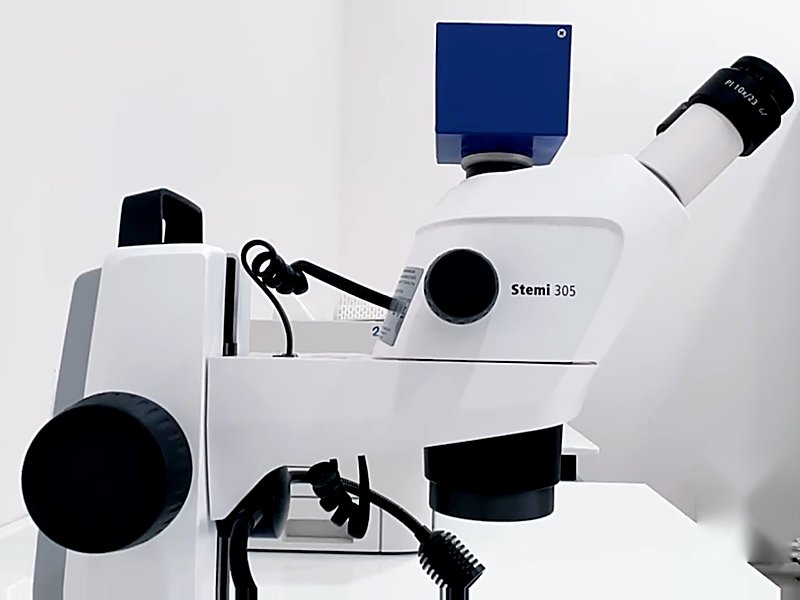
Offering a three-dimensional view at low magnification, the stereo microscope is well suited to examining larger particles and sample surfaces. Its long working distance allows samples to be sorted and prepared under the microscope, and its trinocular design makes it possible to capture images with a microscope camera.
| Model | ZEISS Stemi 305 trinocular stereo microscope |
|---|---|
| Optical design | Greenough |
| Zoom | 5:1 (0.8×–4.0×), with click stops at 0.8×, 1×, 2×, 3×, and 4× |
| Total magnification | 8×–40× (with 10×/23 eyepieces) |
| Working distance | 110 mm |
| Maximum object field | 29 mm |
| Illumination | LED illumination with flexible arms |
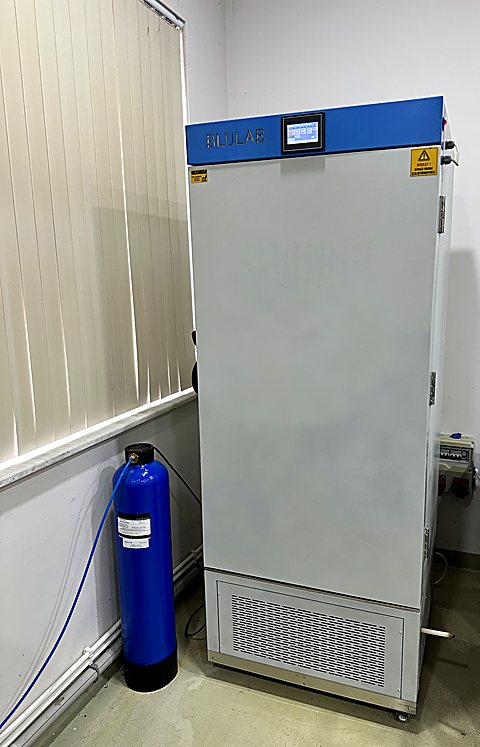
In this chamber, the aging of plastic materials is accelerated under controlled environmental conditions. Samples from artificial aging experiments are used to develop machine learning models that predict the degree of aging of the materials.
| Model | Blulab BLU-250LT |
|---|---|
| Volume | 250 liters |
| Control | Touchscreen panel |
| Temperature range without humidity | Without lighting: −10 °C to +60 °C With lighting: 0 °C to +60 °C |
| Temperature range with humidity | +10 °C to +60 °C |
| Temperature precision | Setting and reading: 0.1 °C Operating: ±2 °C |
| Humidity precision | Setting and reading: 0.1% RH Operating: 5% RH |
| Lighting timer | 99 h 59 min, or continuous operation |
| Programming | 1–10 steps, 1–999 repetitions |
Aerial images of coastal and beach areas are captured with drones. These images are used for the segmentation, classification, and GIS-based monitoring of coastal pollution. The laboratory has two drones suited to different field conditions.
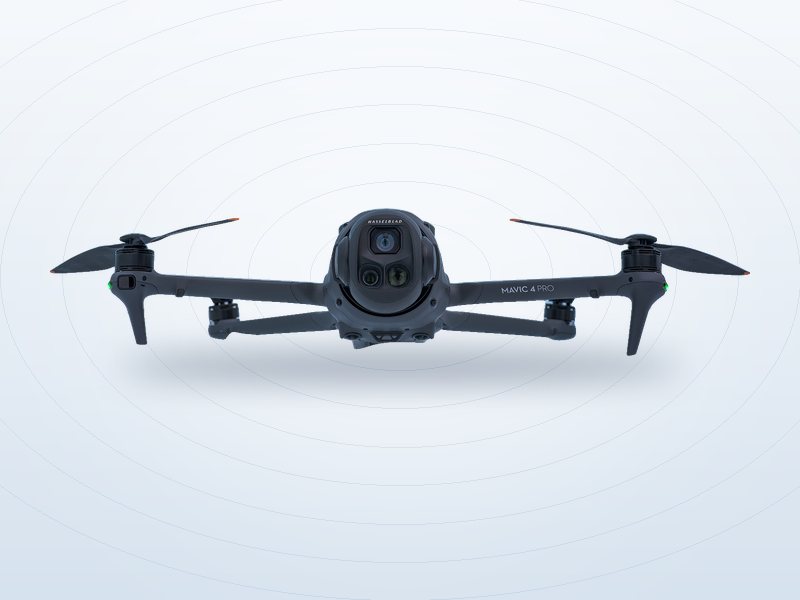
Its high-resolution main camera and two telephoto cameras allow detailed imaging of coastal areas from different altitudes. Its long flight time makes it possible to survey large areas in a single flight.
| Model | DJI Mavic 4 Pro 512GB Creator Combo |
|---|---|
| Remote controller | DJI RC Pro 2 |
| Main camera | 100 MP, 4/3-inch CMOS Hasselblad, 28 mm, f/2.0–f/11 |
| Telephoto cameras | 48 MP, 1/1.3-inch CMOS (70 mm); 50 MP, 1/1.5-inch CMOS (168 mm) |
| Video | 6K/60 fps HDR |
| Gimbal | Infinity Gimbal with 360° rotation |
| Flight time | Up to 51 minutes |
| Obstacle sensing | Omnidirectional |
| Video transmission | DJI O4+ |
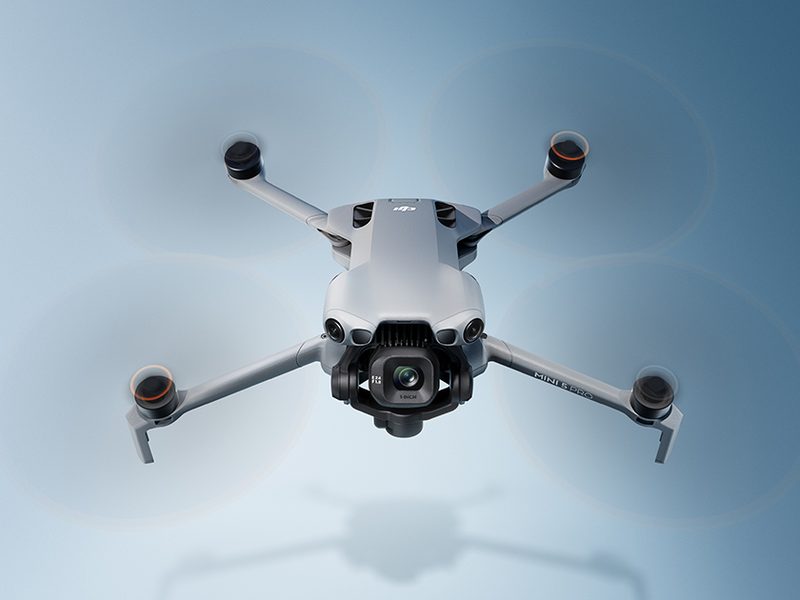
Its light, portable design makes it easy to use in field work that requires quick setup and in confined areas. Its camera with a 1-inch sensor delivers high image quality despite its small size.
| Model | DJI Mini 5 Pro 64GB Fly More Combo |
|---|---|
| Remote controller | DJI RC 2 |
| Camera | 50 MP, 1-inch CMOS, 24 mm, f/1.8 |
| Video | 4K/60 fps HDR, 4K/120 fps |
| Gimbal | 225° rotation |
| Flight time | Up to 36 minutes (standard battery) |
| Takeoff weight | Approx. 249.9 g |
| Obstacle sensing | Omnidirectional, with forward-facing LiDAR |
Drone specifications are based on manufacturer data; flight times are maximum values under ideal conditions.
For some measurements, we use the facilities of partner laboratories.
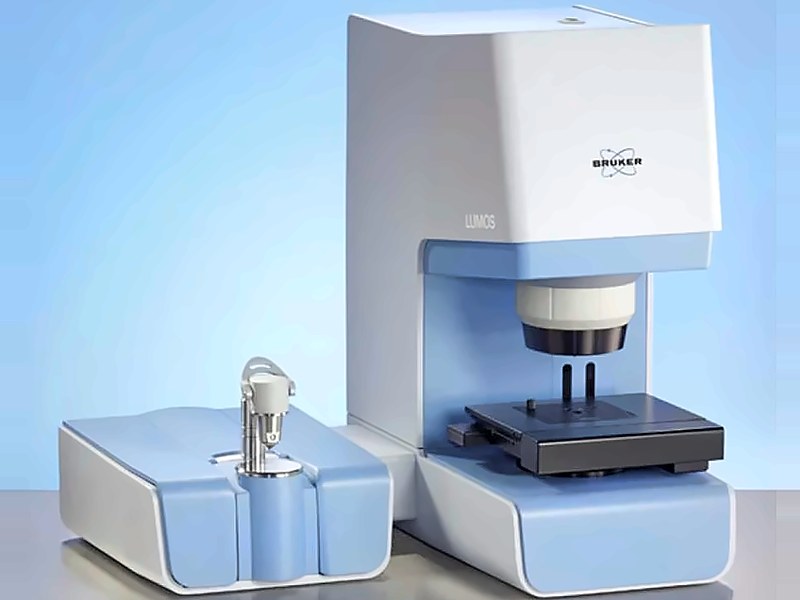
The FTIR microscope makes it possible to determine the chemical structure of small particles, such as microplastics, directly under the microscope. With the attached ATR module, spectra can also be acquired from larger samples. The resulting spectra provide the data for our work on polymer type identification and on predicting the degree of chemical structural degradation.
| Model | Bruker LUMOS FTIR microscope with ATR sampling module |
|---|---|
| Measurement modes | Transmission, reflection, and ATR |
| Objective | 8× (up to 32× with digital zoom) |
| ATR crystal | Motorized germanium crystal with built-in pressure control |
| Detector | Photoconductive MCT |
| Spectral range | 6000–650 cm⁻¹ (standard configuration) |
| Imaging | Digital CCD camera |
| Motorized components | Sample stage and Z-axis |
We use our laboratory infrastructure not as a service but as part of collaborative research. We carry out collaborative projects and publications with researchers who want to address a problem in their own field using this infrastructure and artificial intelligence methods. Researchers from our core team take part in this work and contribute to its methodology, analysis, and writing. For collaboration proposals, you can contact the head of the laboratory.
In publications arising from collaborative work, our team's affiliation is written as follows.
EnglishInterdisciplinary Artificial Intelligence Laboratory (AiLab), Research, Development and Application Center (SARGEM), Sakarya University, 54050 Sakarya, Türkiye
TurkishSakarya Üniversitesi, Araştırma-Geliştirme Uygulama ve Araştırma Merkezi (SARGEM), Disiplinlerarası Yapay Zeka Laboratuvarı (AiLab), 54050 Sakarya, Türkiye
In work that makes use of the laboratory's infrastructure, we kindly ask that the following sentence be added to the acknowledgments.
EnglishThis work made use of the infrastructure of the Interdisciplinary Artificial Intelligence Laboratory (AiLab), Research, Development and Application Center (SARGEM), Sakarya University.
TurkishBu çalışmada Sakarya Üniversitesi, Araştırma-Geliştirme Uygulama ve Araştırma Merkezi (SARGEM), Disiplinlerarası Yapay Zeka Laboratuvarı (AiLab) altyapısı kullanılmıştır.
